We repair your hot water unit when the fault is small and the system still has usable life left. But if the tank is leaking, the system is 10+ years old, the temperature fluctuates, or problems keep returning, replacing the unit is usually the safer, more cost-effective long-term option.
Not sure whether to repair or replace your old hot water unit? Here’s how we assess ageing systems in Brisbane homes and when an upgrade is the smarter choice.
You’ll Learn:
Across Brisbane Southside — from Holland Park and Coorparoo to Mansfield, Tarragindi, Mount Gravatt, Wishart, Carina and Rochedale — we’re asked one question more than any other:
“Can you repair my hot water system, or do I need a new one?”
It’s a fair concern. A new system is a big investment. But we’ve also seen homeowners spend money repairing systems that were already at the end of their life. Our goal is simple: give clear, honest guidance so you only replace a system when it truly makes sense.
Below is the same assessment process we walk homeowners through during a service call.
If the tank itself is leaking, replacement is the only safe option.
Hot water cylinders rust from the inside out, and once corrosion breaks through the steel lining, the tank begins to weep or leak. No plumber, valve or part can repair a ruptured cylinder — it will fail again, and often suddenly.
A lot of homeowners aren’t sure whether the leak is from the tank or a valve. If you want to check for yourself, our guide on what to do when your hot water system is leaking explains the difference.
But if the leak is coming from the tank body? It’s replacement time.
Most storage hot water systems in Brisbane last 8–12 years, depending on brand, water quality and installation. For more details on installation, check our hot water installation guide.
After a decade, we often start seeing:
Rust around the fittings or seams usually means the internal cylinder is deteriorating, which is one of the earliest signs a tank is approaching end-of-life.
Older systems struggle to heat water quickly because the element weakens and the tank loses thermal efficiency, leading to longer wait times for hot water.
As systems age, electrical components such as thermostats and elements break down more frequently, causing unreliable heating and unexpected cold water.
When insulation inside the tank deteriorates, the system works harder and cycles more often, resulting in noticeably higher energy bills.
Minerals settle at the bottom of older tanks and harden, reducing water capacity and making the system noisy and less efficient.
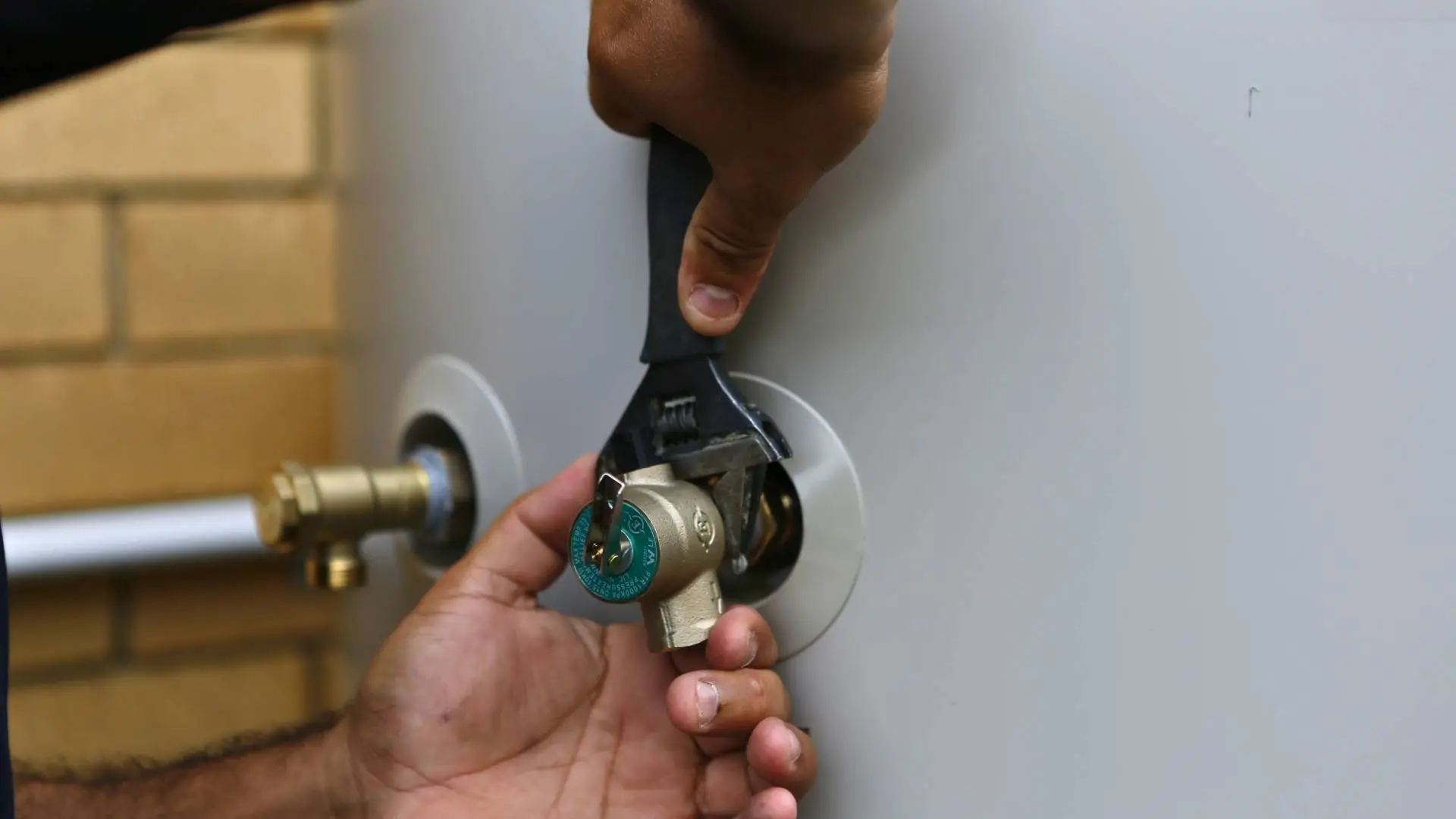
Pressure relief valves start leaking when internal pressure becomes unstable, often a sign of ageing parts, corrosion or sediment clogging the tank.
When a system can no longer regulate temperature properly, it often indicates internal wear, failing components or deterioration inside the tank.
These aren’t isolated problems — they’re age-related symptoms that continue to worsen. In many cases, homeowners replace their systems for peace of mind as much as performance.
When hot water suddenly swings between hot and cold, something inside the system is failing. In newer systems, we can usually repair:
But when older systems show these symptoms, they often indicate deeper internal deterioration inside the tank or burner assembly.
If we can’t guarantee the repair will last, we’ll recommend replacement to avoid future breakdowns.
We see this a lot with growing families. If your tank empties faster than it used to, it may be due to:
In many cases, the best fix is upgrading to a larger tank or switching to an instant (continuous flow) hot water system, especially if your family uses multiple showers in the morning.
If you’re comparing systems, our guide on how instant hot water systems work explains the benefits clearly.
Popping, cracking, or boiling noises usually mean sediment has baked onto the bottom of the tank. Sediment buildup forces the heater to work harder, which shortens its lifespan and reduces its efficiency.
While we can flush some tanks, heavy sediment in an older unit often means internal corrosion is already underway. This is usually our cue to recommend replacement before failure occurs.
Older storage tanks lose heat throughout the day, especially if they’ve been installed outdoors and deal with Brisbane’s heat and storms. That means they reheat water constantly, even when you’re not home.
Instant systems heat water only when you need it, which is why many families switching from old electric tanks immediately notice lower bills.
If your energy costs are creeping up with no change in usage, your hot water system may be the reason.
We always look for a repair option first if the system is still in good condition. Repairing is usually worthwhile when:
These repairs can often extend your system’s life by several more years.
We recommend replacing your unit when:
Repairing a failing system usually becomes a cycle of new parts, more labour and more frustration. A new system breaks that cycle immediately.
If you’re budgeting, our hot water system prices in Brisbane guide outlines realistic installation costs.
Most homeowners choose between two options:
A good choice for smaller households or a simple like-for-like swap. Modern tanks are more efficient and safer than older models.
A popular choice for families wanting endless hot water and lower running costs.
If you’re deciding between electric and gas systems, our electric and gas hot water guide breaks down the differences clearly.
We’ll assess your current setup, space limitations, gas availability and household usage to recommend the right unit.
If you wake up to no hot water, don’t panic — many issues have simple checks. We’ve put together a homeowner-friendly troubleshooting guide on 7 quick checks before you panic.
However, if the tank is leaking or the water is completely cold and won’t recover, the issue is usually more serious. In these situations, contact us as soon as possible. CK Plumbing provides 24/7 emergency assistance, and we prioritise urgent hot water failures for homeowners across Brisbane Southside.
Hot water failures often appear around the same time as other plumbing issues. If you’ve noticed slow drains, gurgling toilets or outdoor flooding recently, your drainage system may also be under stress.
Many homeowners are surprised how often ageing drainage and ageing hot water systems fail around the same time.
We regularly help homeowners across Brisbane Southside work through this choice. If your unit can be repaired, we’ll tell you. If replacement is the smarter long-term choice, we’ll explain exactly why — with photos, video or testing where helpful.
Whether you’re in Holland Park, Coorparoo, Mansfield, Tarragindi, Wishart, Mount Gravatt, Carina or nearby suburbs, we can diagnose your system quickly and help you choose the best path forward.
Contact us for fast, reliable hot water repairs and replacements.
If the tank is leaking, the system is over 10 years old, or the water temperature fluctuates regularly, replacement is often the more practical long-term option. These issues usually indicate that the internal cylinder or heating components are deteriorating and may not respond well to repairs.
No. Once the tank body itself is leaking, it cannot be repaired. The inner cylinder has begun to rust or split, and the only safe solution is a full replacement to prevent further damage or sudden failure.
This often happens due to sediment buildup inside the tank, a weakening heating element, increased household usage, or a tank that’s no longer large enough for your family. In older units, the reduced capacity is usually a sign that the system is reaching the end of its lifespan.
Temperature swings can come from failing thermostats, tempering valves, elements or gas ignition components. In newer systems these issues can often be repaired, but in older units they may indicate deeper deterioration inside the tank
Most systems over 10 years old are approaching end-of-life, meaning repairs can become repetitive and less cost-effective. In many cases, replacement provides better reliability and lower long-term running costs.
If you suspect a hidden leak, turn off your water supply and call a licensed plumber.
At CK Plumbing, we provide same-day leak detection and repairs across Holland Park, Mount Gravatt, Coorparoo, and Brisbane’s Southside.
CK Plumbing helps Brisbane homeowners find and fix hidden water leaks — saving thousands of litres and preventing costly property damage.