
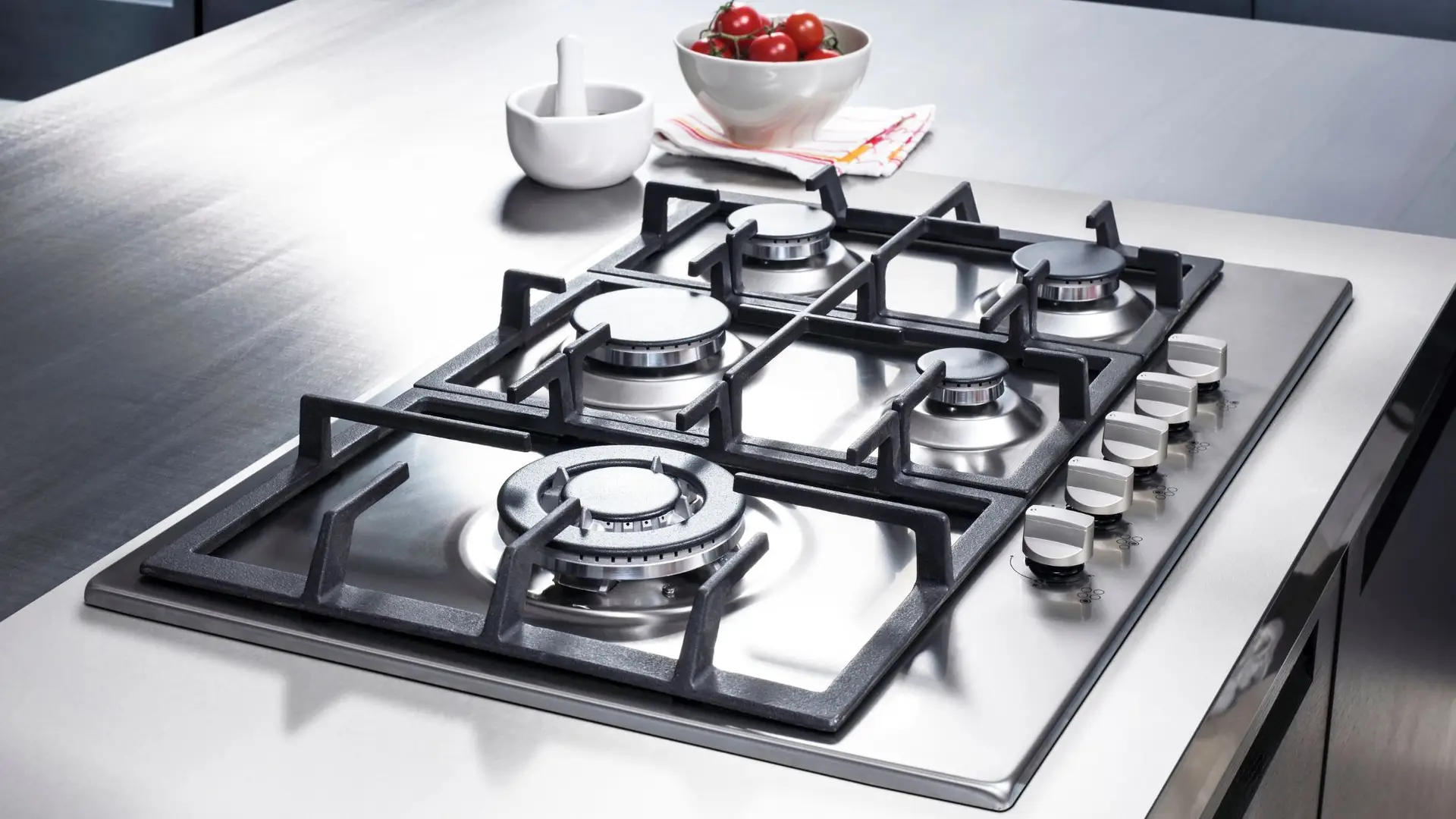
Safe gas stove installation Brisbane homeowners rely on requires a licensed gas fitter, correct appliance connections, and proper testing to ensure the cooktop operates safely and meets Queensland compliance standards.
Gas stove installation in Brisbane must be performed by a licensed gas fitter to ensure safe connections, kitchen gas safety, and compliance with regulations.
What You’ll Learn In This Article
Gas stoves are popular in Brisbane kitchens because they provide precise heat control and reliable cooking performance.
However, installing a gas appliance involves more than connecting a pipe and turning on the gas. Incorrect installation can lead to gas leaks, inefficient operation, or safety risks in the kitchen.
Across Brisbane’s Southside — including Carina, Coorparoo, Mount Gravatt, Holland Park, Greenslopes, and Tarragindi — we regularly help homeowners install and connect gas appliances safely as part of kitchen renovations or appliance upgrades.
Proper gas stove installation ensures the appliance is installed correctly, tested for leaks, and compliant with Queensland safety regulations.
Gas work in Queensland must be carried out by a qualified professional.
A licensed gas fitter has the training and certification required to safely install gas appliances, connect gas lines, and ensure everything operates correctly.
Licensed professionals are trained to:
Professional gas appliance work is typically carried out through experienced gas fitting services that handle installation, inspection, and repairs.
Installing a gas cooktop involves several steps to ensure safe operation.
Before installation begins, the gas line supplying the kitchen is inspected to confirm it is suitable for the new appliance.
If pipework upgrades are required, the gas system may need adjustment to support the cooktop.
The gas line is then connected to the appliance using approved fittings. This stage requires careful sealing and alignment to prevent leaks.
This process is often referred to as a cooktop gas fit that Brisbane homeowners request during kitchen upgrades.
Professional stove installations ensure the connection is secure and compliant.
Once connected, the entire gas system is tested to confirm it is operating safely.
Testing includes pressure checks, leak detection, and verifying that burners ignite correctly.
Gas appliances are safe when installed and maintained correctly.
However, homeowners should remain aware of basic kitchen gas safety practices.
Gas burner flames should burn blue and steady. Yellow or irregular flames may indicate airflow problems or incomplete combustion.
Adequate ventilation helps remove heat and combustion gases from the kitchen.
Rangehoods or ventilation systems are recommended when using gas appliances regularly.
A rotten egg smell may indicate a gas leak. If this occurs, turn off the gas supply and contact a professional immediately.
Leaks can be identified through specialised leak detection services when gas connections require inspection.
Regular maintenance helps extend the life of a gas stove and reduce the risk of faults.
Simple steps include:
Routine inspections by professional Brisbane plumbing services can help ensure appliances remain safe and reliable.
Some gas appliance problems should always be handled by a licensed professional.
A rotten egg smell near the stove or gas connection can indicate a gas leak. If this happens, turn off the gas supply if it is safe to do so and contact a licensed gas fitter immediately.
If burners repeatedly fail to ignite or take longer than usual to light, it may indicate an issue with the ignition system, gas supply, or appliance connection.
Gas burners should produce a steady blue flame. Weak, yellow, or flickering flames can indicate airflow issues, burner blockages, or gas pressure problems.
Any visible damage, corrosion, or loose fittings around gas pipes or appliance connections should be inspected by a licensed professional to ensure the system remains safe and compliant.
In these cases, contacting a professional gas technician ensures the issue is diagnosed safely.
Licensed plumbers experienced in gas fitting and appliance connections can assess the system and carry out the necessary repairs.
We recently attended a kitchen renovation in Mount Gravatt where a new gas cooktop had been installed without proper testing.
Although the appliance appeared to work, a small gas leak was present at the connection point.
Once the issue was identified and corrected by a licensed gas fitter, the cooktop operated safely, and the homeowner received the required compliance certification.
Situations like this highlight why professional installation matters.
Gas stoves are reliable and efficient when installed correctly.
Safe gas stove installation in Brisbane homeowners depend on involves proper gas connections, professional testing, and ongoing maintenance to ensure the appliance operates safely.
If you’re planning a kitchen upgrade or installing a new cooktop, contact us. Our licensed gas professionals can safely install and inspect your gas appliances so your kitchen remains safe and compliant.
Professional installation and regular checks help ensure your gas stove performs safely for years to come.
No. Gas appliance installation must be completed by a licensed gas fitter to meet Queensland safety regulations.
Most installations take one to two hours, depending on the existing gas connection and kitchen setup.
They inspect the gas supply, connect the appliance, test for leaks, and ensure the installation meets safety standards.
Gas burner flames should burn blue and steady. Yellow flames may indicate a ventilation or combustion issue.
Yes. Licensed gas installers can provide compliance certificates confirming the installation meets regulatory standards.
If you suspect a hidden leak, turn off your water supply and call a licensed plumber.
At CK Plumbing, we provide same-day leak detection and repairs across Holland Park, Mount Gravatt, Coorparoo, and Brisbane’s Southside.
CK Plumbing helps Brisbane homeowners find and fix hidden water leaks — saving thousands of litres and preventing costly property damage.