
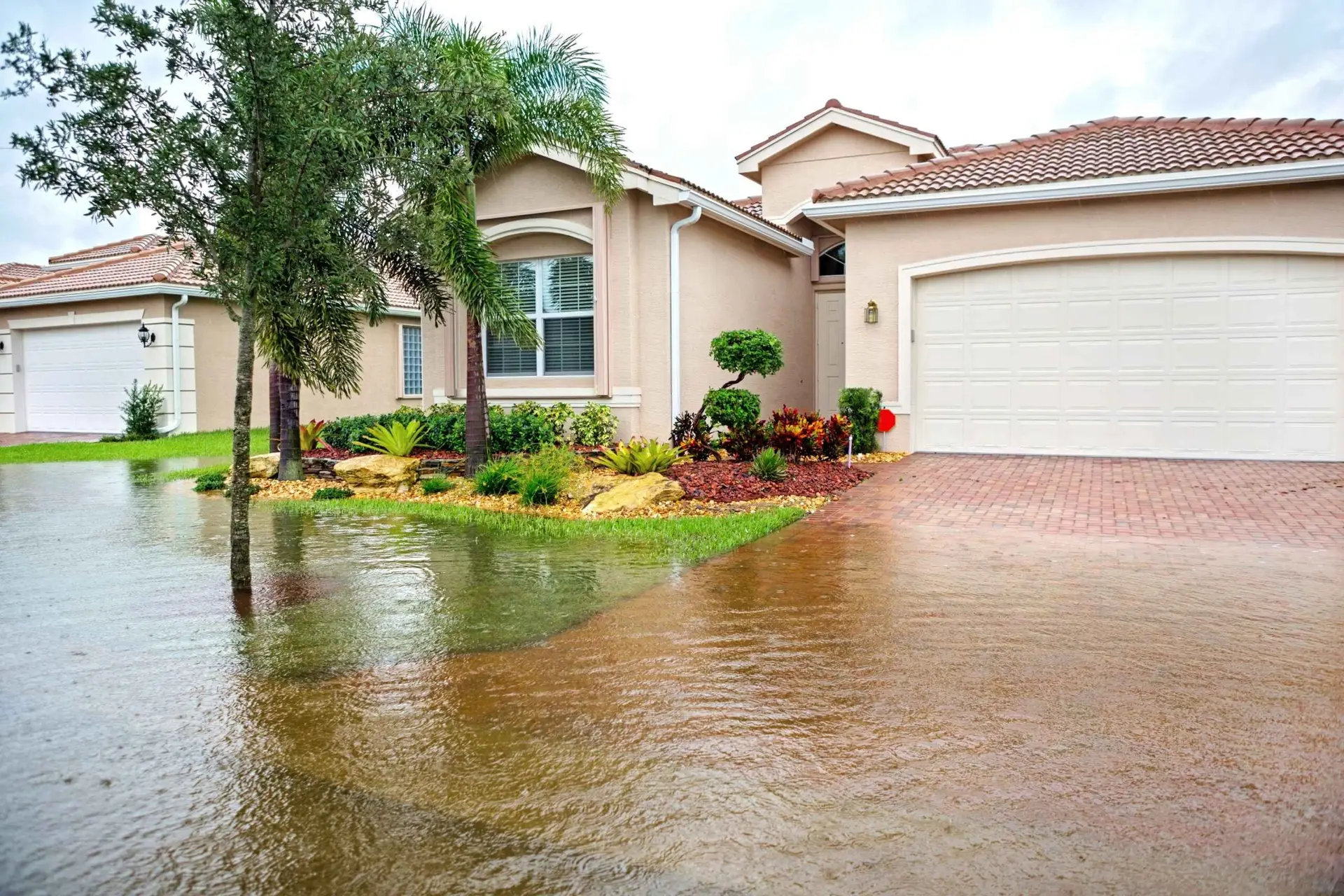
Stormwater drain maintenance in Brisbane should be completed before heavy rain begins. Checking drains, gutters, pipes, and hot water systems early helps reduce the risk of flooding, water damage, and unexpected plumbing failures.
Stormwater drain maintenance Brisbane homeowners complete before storm season helps reduce flooding, blocked drains, and costly plumbing disruptions.
What You’ll Learn in This Article:
If you’ve lived in Brisbane long enough, you know the pattern.
Clear skies. Rising humidity. Then heavy downpours that test every gutter, drain, and pipe around the home.
The rain itself isn’t usually the main problem.
It’s what the rain exposes.
Slow drains, partial blockages, ageing pipework, and neglected gutters often go unnoticed through dry months. The first serious storm is when those hidden weaknesses show up.
The simplest approach?
Check early. Fix small issues before they escalate.
Once heavy rainfall begins, plumbing systems are placed under sudden pressure. Across Brisbane’s Southside — Carina, Coorparoo, Mount Gravatt, Holland Park, Greenslopes, Tarragindi — similar patterns appear each year:
Surface drains struggle when underground pipes are already restricted by debris or root intrusion.
Water pools in low areas when stormwater pipes cannot move runoff away efficiently.
Driveways and surrounding drainage may channel water toward garage entries if outlets are partially blocked.
Blocked gutters force rainwater backward under roofing edges, sometimes leading to ceiling damage.
Older systems operating under stress may fail during periods of heavy demand or pressure change.
Roots that have slowly entered joints become a significant obstruction once heavy rain increases water flow.
Most of these problems were developing long before the storm arrived.
Most residential properties rely on a properly functioning stormwater drainage system to move large volumes of rainwater safely away from the home.
Stormwater systems are built to move large volumes of water quickly.
However, partial blockages limit capacity. Leaves, soil, and debris accumulate gradually. Tree roots slowly narrow underground pipes.
When heavy rain arrives, the system reaches its limit — and water backs up.
This is closely related to the common blocked drain issues Brisbane homes experience throughout the year. Storms simply expose existing restrictions more dramatically.
Gutters form the first layer of stormwater defence.
When they’re blocked, rainwater spills over the edges instead of flowing through downpipes. That water can move behind fascia boards and into roof cavities.
What appears to be a minor overflow can eventually lead to ceiling staining or structural moisture damage.
Routine gutter clearing before storm season reduces stress on the entire drainage system.
When water pools in the yard, most people assume it’s just heavy rain.
Often, it’s restricted to underground flow.
Stormwater pipes that are partially blocked by debris or root intrusion can’t carry water away efficiently. Instead, water surfaces through low points in the yard.
If pooling happens repeatedly, it’s usually a sign the system needs professional inspection — not just surface clearing.
Related drainage services can identify whether the issue sits within the broader underground network.
Tree roots grow slowly but persistently toward moisture.
Underground pipes, particularly older ones, are vulnerable to cracking or joint separation. Once roots enter, they expand and restrict flow.
During dry months, the issue might go unnoticed. During heavy rain, it becomes obvious.
In many cases, permanent solutions such as pipe relining or targeted pipe repair are needed to restore full flow capacity.
Hot water systems often fail during storm season — not because of rain, but because they were already near the end of their lifespan.
Heavy demand, pressure changes, and age combine at the worst possible moment.
If your system is older than 8–10 years, it’s worth reviewing before storm season hits. Preventative servicing and timely hot water repairs and replacements help avoid unexpected breakdowns during the busiest time of year.
Before the rain arrives, take a few minutes to review your property.
Lift surface grates and check for visible debris. If water pools after light rain, it may indicate a restriction below ground.
Blocked gutters increase pressure on your entire stormwater system.
Persistent soggy areas may signal drainage issues that worsen in heavy rain.
Systems older than 8–10 years should be checked to avoid failure during peak demand.
Minor leaks are early warning signs of water leaks. Addressing them now helps prevent plumbing emergencies when storms arrive.
Storm season emergencies rarely start during the storm itself.
They start months earlier — with minor issues left unattended.
Many homes experience issues after heavy rain, where the owner says, “It’s been slow draining for a while,” or “The gutters were overflowing last year, too.”
The rain didn’t cause the problem. It exposed it.
Routine checks and early repairs cost far less than emergency flood restoration.
If you’re noticing repeated slow drains, overflowing gutters, pooling water near foundations, unusual pipe noises or small leaks, or a hot water system nearing the end of its life, it’s worth booking a check before storm season peaks.
Storm-season repairs are typically more disruptive than preventative checks. Addressing small issues early helps prevent plumbing emergencies once heavy rain arrives.
General Brisbane plumbing services are designed to identify risks before they escalate into flooding, water damage, or system failure.
Storm season in Brisbane isn’t a surprise.
But the damage it causes often is.
Taking a proactive approach to stormwater drain maintenance Brisbane homes depend on — along with checking gutters, pipes, and hot water systems — reduces the risk of flooding and unexpected failures.
If you’d like peace of mind before the next heavy downpour, contact us. We’re happy to assess your system and help you prepare properly.
Checking now is far easier than dealing with water damage later.
At least once before storm season and after major storms, especially in leafy areas.
Basic surface clearing helps, but underground blockages require professional equipment.
Because debris, roots, or partial blockages were already restricting flow.
Yes. Brisbane’s weather patterns and vegetation make annual checks worthwhile.
Early inspections, clearing debris, checking ageing systems, and fixing small issues before heavy rain arrives.
If you suspect a hidden leak, turn off your water supply and call a licensed plumber.
At CK Plumbing, we provide same-day leak detection and repairs across Holland Park, Mount Gravatt, Coorparoo, and Brisbane’s Southside.
CK Plumbing helps Brisbane homeowners find and fix hidden water leaks — saving thousands of litres and preventing costly property damage.