
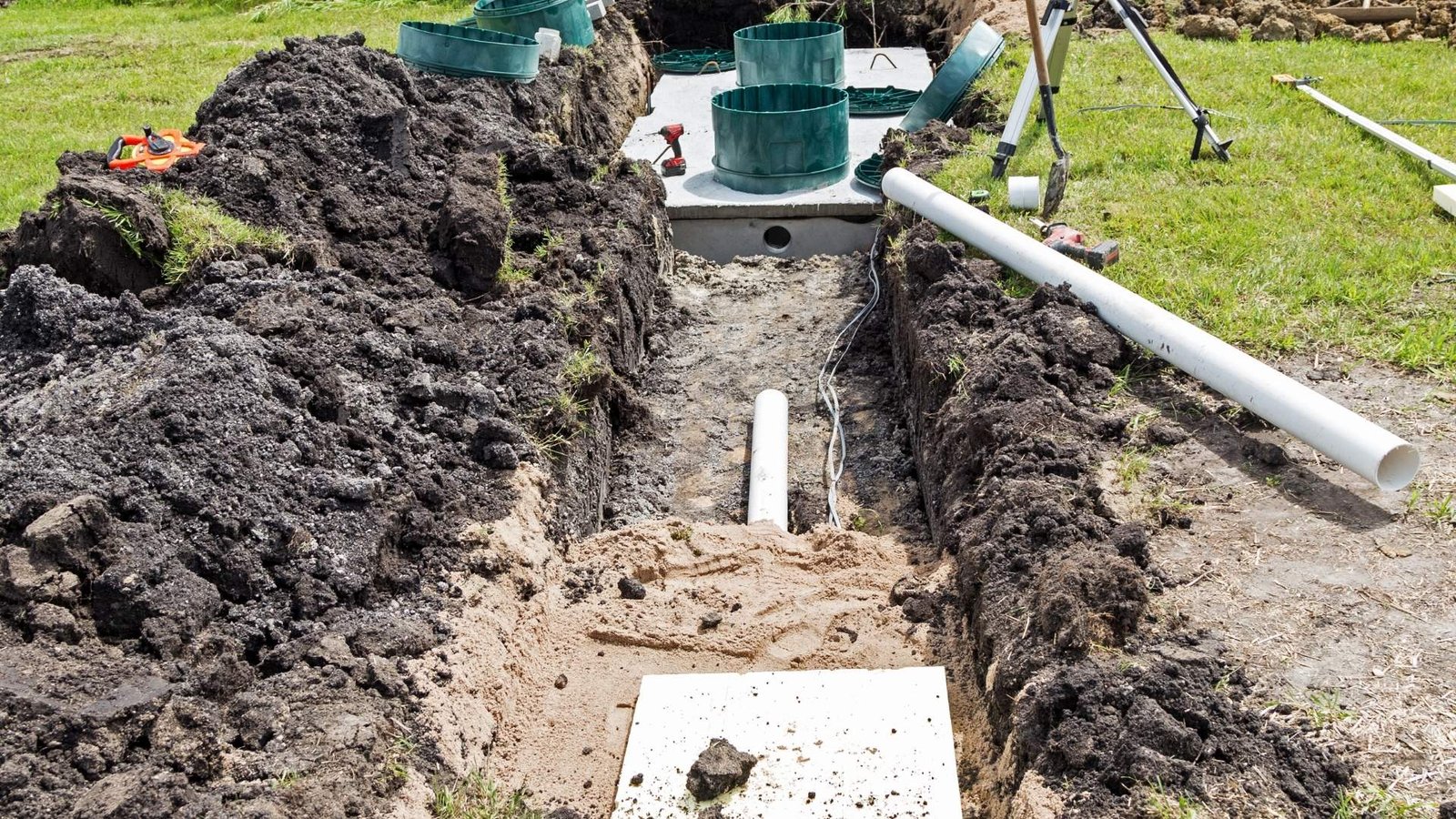
Stormwater drain maintenance in Brisbane helps prevent flooding, property damage, and recurring blockages by keeping gutters, drains, and underground systems clear before heavy rain hits.
Stormwater drain maintenance Brisbane homeowners rely on includes gutter cleaning, clearing debris, and checking stormwater systems before the rainy season.
What You’ll Learn In This Article:
Brisbane’s storm season puts serious pressure on residential drainage systems.
Heavy rainfall and sudden downpours mean stormwater systems need to move large volumes of water away from homes quickly. When they don’t, water has nowhere to go — and that’s when flooding, pooling, and water damage start to appear.
This is why stormwater drain maintenance Brisbane homeowners organise ahead of the wet season plays such an important role in protecting properties.
A stormwater system collects rainwater from roofs, driveways, and paved areas and directs it away from the home.
This system usually includes gutters, downpipes, surface grates, and underground pipes. If one part becomes blocked, the entire system can struggle, especially during heavy rainfall.
When stormwater systems are compromised, water often backs up through surface drains or spills over gutters, increasing flood risk around foundations.
Stormwater issues often develop quietly before becoming obvious.
Leaves, dirt, and debris are quickly washed into drains during storms, especially in leafy suburbs. Many of these issues overlap with the broader causes of blocked drains Brisbane homeowners deal with year-round — storms simply make them surface faster.
Blocked stormwater drains are also commonly linked to issues found in sewer drains, particularly where underground pipework is older or damaged.
Roof gutters are often overlooked until water starts overflowing.
When gutters are clear, rainwater flows freely into downpipes and through the stormwater system. When they’re blocked, water spills over and pools around the home.
Without regular gutter cleaning, Brisbane homeowners rely on, debris can quickly block downpipes and overload stormwater drains below, increasing the risk of flooding.
Stormwater drains behave differently to household plumbing.
They’re designed to carry water, not debris, which means leaves, mulch, and soil can accumulate quickly. During heavy rain, these materials compact inside pipes and restrict flow.
This is why stormwater blockages often require professional drainage services rather than repeated surface clearing.
DIY Checks That Help Before the Rainy Season
There are a few basic checks homeowners can do before storm season begins.
Clearing visible debris from surface grates, checking gutters, and ensuring downpipes are intact can reduce immediate blockage risks. These steps are often part of a DIY blocked drain approach that works for minor, visible issues.
However, DIY checks don’t address underground pipes, where most stormwater problems actually develop.
DIY methods can only go so far.
Stormwater blockages often occur below ground, where roots, collapsed pipes, or long-term buildup restrict flow. Clearing a grate or flushing water down a pipe won’t reveal these problems.
Recurring flooding or slow drainage usually points to deeper issues that need professional assessment.
Professional stormwater maintenance looks at the entire system, not just what’s visible.
Inspections can identify damaged sections, restricted pipes, or areas where water isn’t flowing correctly. Clearing debris properly restores full capacity before heavy rain arrives.
In some cases, persistent blockages are linked to pipe damage, where solutions such as pipe relining or targeted pipe repair may be required to restore proper flow.
Stormwater issues don’t always happen in isolation.
Blocked stormwater systems can contribute to broader drainage problems around the home, including water pooling near foundations or saturating surrounding soil.
This is why stormwater checks are often included as part of general Brisbane plumbing services, particularly for older homes or properties on sloping blocks.
Many older Brisbane homes were built with stormwater systems that don’t meet modern standards.
Smaller pipe sizes, poor fall, or outdated materials can all reduce capacity. During heavy rain, these systems struggle to cope, making blockages and overflow more likely.
Checking stormwater drainage before the rainy season helps identify whether upgrades or repairs are worth considering.
Stormwater problems usually give warning signs.
Slow drainage after rain, water pooling near grates, overflowing gutters, or soggy patches in the yard often indicate a blockage or restriction. Ignoring these signs can lead to flooding during the next major storm.
Early action is always less disruptive than emergency repairs.
Flood prevention is about preparation, not reaction — something we see time and again in Brisbane homes dealing with repeated yard flooding.
Regular maintenance reduces the risk of water backing up around the home and helps protect foundations, landscaping, and internal spaces. It also extends the life of drainage systems by preventing ongoing stress and erosion.
Simple checks carried out early can make a significant difference during Brisbane’s wet season.
We often attend homes where stormwater drains seemed fine — until one heavy storm hit.
In many cases, debris had been building up gradually, narrowing the pipe. The storm pushed the system past its limit, resulting in sudden flooding.
Once the system was properly cleared and assessed, the issue didn’t return, even during later storms.
Stormwater drainage is easy to overlook — until heavy rain exposes a problem.
Understanding how your stormwater system works and staying on top of stormwater drain maintenance Brisbane homeowners rely on can significantly reduce flood risk during the wet season.
If you’ve noticed slow drainage, overflowing gutters, or water pooling around your home, contact us. We’re happy to assess your stormwater system and help you prepare before the next storm arrives.
Stormwater drains should be checked before the rainy season and after major storms, especially in leafy areas.
Yes. Gutters feed directly into stormwater systems, so blockages there can cause wider drainage issues.
DIY checks help with visible debris, but they won’t resolve underground blockages or pipe damage.
Leaves, soil, and debris are rapidly washed into drains during heavy rainfall.
Yes. Blocked stormwater drains increase flood risk, water damage, and erosion around the home.
If you suspect a hidden leak, turn off your water supply and call a licensed plumber.
At CK Plumbing, we provide same-day leak detection and repairs across Holland Park, Mount Gravatt, Coorparoo, and Brisbane’s Southside.
CK Plumbing helps Brisbane homeowners find and fix hidden water leaks — saving thousands of litres and preventing costly property damage.